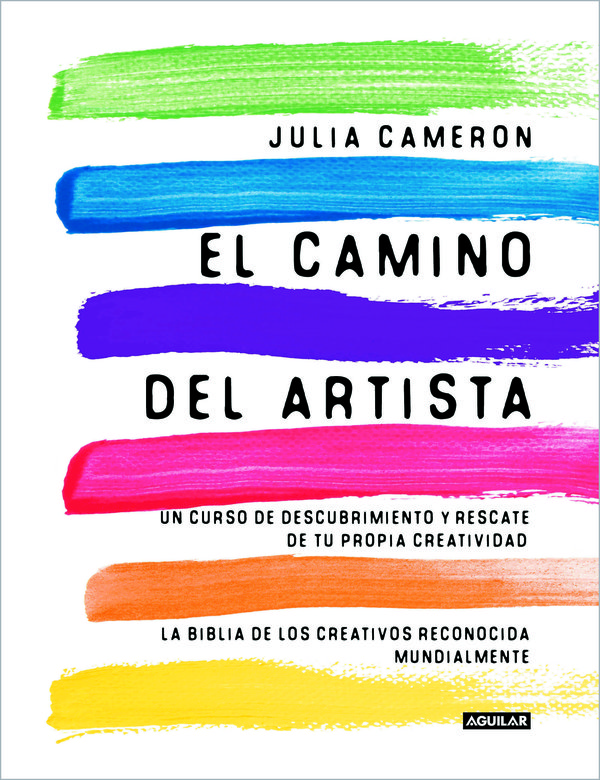
In January 1978, Julia Cameron made the decision that changed her life: give up alcohol. He was 30 years old. Two months ago she had separated from Martin Scorsese. His daughter Domenica was just 16 months old. She had been drinking more and more for years, and the addiction circles of Hollywood in the 70s had finally pushed her to the bottom. That sobriety — and the years of rebuilding that followed — are the literal seed of The Artist's Path.
The bottom of the well: January 1978
Julia Cameron has told the story in detail in her memoir Floor Sample (2006) and in multiple interviews (Oprah, NPR, The Sun Magazine). The year 1977 was the year of decline for her. The separation with Scorsese was in the fall of 1977. The film industry of the 70s was at the height of the cocaine and alcohol culture — Scorsese himself would have an addiction crisis in 1978 that almost killed him. Cameron was on the same path, two years behind.
In January 1978 Julia made the decision. He attended his first Alcoholics Anonymous meeting. And he never drank again. Cameron's sobriety has been uninterrupted since 1978 — more than 48 years in 2026.
The Practice Born of Sobriety: The Morning Pages
Julia Cameron's method was not invented overnight. It was built during the years after 1978, as Cameron searched for tools to stay sober, raise Domenica as a single mother, and rebuild her writing career.
The first thing that appeared was the morning pages — three pages by hand every morning, without thinking. Cameron developed them as an emotional management tool in the first years of sobriety. They worked on two levels: they decompressed accumulated emotional pressure (preventing relapses) and they opened creative channels that alcohol had been blocking for years.
The second thing appeared later: the appointment with the artist, a weekly creative self-care tool. It was also born out of addiction recovery tools — specifically, the AA practice of 'treat yourself' on weekends as a substitute for chemical euphoria.
How the 12 Steps Influenced The Artist's Way
Anyone who has read The Artist's Path He carefully recognizes the DNA of the 12 steps of Alcoholics Anonymous in the book. Cameron talks about a 'creative higher power' (AA step 2), from 'examination of beliefs' (step 4), from 'identify damage' (step 8), from 'daily maintenance' (step 10).
The Artist's Path is, in structure, a 12-step program for creative recovery. Cameron has explicitly admitted this in interviews: 'what worked for me to stop drinking, I applied to creativity and it worked the same'. Sobriety was the laboratory; the book was the product.
Why the history of alcoholism matters when reading the book
many people read The Artist's Path without knowing that the author is a recovered alcoholic who wrote the book 14 years after hitting rock bottom. Knowing this changes the reading. The book is not a self-help piece written by a well-intentioned academic. It is a survival manual written by someone who had to rebuild himself from scratch and discovered, in the process, a replicable methodology.
The moral authority of the book comes from there. Cameron knows what he's talking about because he lived through the worst. when he says 'this is going to get you out of your block', is not a slogan: it is a promise based on his own way out of the worst possible blockage — that of chronic alcoholism.
Frequently asked questions
What year did Julia Cameron stop drinking?
Julia Cameron gave up alcohol in January 1978, at age 30. His sobriety has been uninterrupted since then — more than 48 years in 2026.
How did alcoholism influence The Artist's Way?
Deeply. The morning pages, the artist quote, and the overall structure of the book derive directly from the addiction recovery tools (especially the 12 steps of Alcoholics Anonymous) that Cameron used to stay sober since 1978.
Why does Julia Cameron talk about 'higher power' in The Artist's Path?
El concepto de 'poder superior' es central en los 12 pasos de AA, donde Cameron lo aprendió. En The Artist's Path, Cameron lo adapta como 'poder superior creativo' — una fuerza creativa más grande que el ego individual. No es necesariamente religioso; cada lector lo interpreta a su manera.
Are there other Julia Cameron books on addiction and recovery?
Yes. Money Drunk, Money Sober (1992) with Mark Bryan is specifically about financial addictions from the framework of recovery. Her memoir Floor Sample (2006) tells her own story in detail.
The complete course, free
12 weeks in Spanish to apply Julia Cameron's method to your life.
Start Your Artist Path →To understand his entire story, read the full biography of julia cameron and the post about her marriage to Martin Scorsese.