If you type "best books on creativity" into Google, you find lists of 10 titles, short reviews, and almost no criteria. This post is different. I have read all 25 books listed here — some several times — and each card answers three questions that no one bothers to answer: What problem does each book solve?, What type of reader is it for? y what should you read BEFORE this book? The ranking is not by popularity or sales. It is for practical use for someone who wants to seriously work on their creativity. In Spanish when there is a translation; in English when not. With covers, categories and graphics.
Post summary
- Absolute top 3: The Artist's Way (Cameron) · Bird by Bird (Lamott) · The War of Art (Pressfield).
- The most recent and important: The Creative Act (Rubin, 2023) · Big Magic (Gilbert, 2015) · Write for Life (Cameron, 2023).
- The classics of the 20th century: Letters to a young poet (Rilke) · Zen and the art of writing (Bradbury) · If You Want to Write (Ueland) · Art & Fear.
- Specific category: On Writing (King) for writers, Save the Cat (Snyder) for screenwriters, Steal Like an Artist (Kleon) for visual artists, Creativity Inc. (Catmull) for managers.
- 6 categories: Method · Philosophy · Writing · Visual arts · Psychology · Creative business.
- Key information: Reading all 25 costs less than a single class at an art school. And it sustains an entire career.
Distribution of the 25 books by category
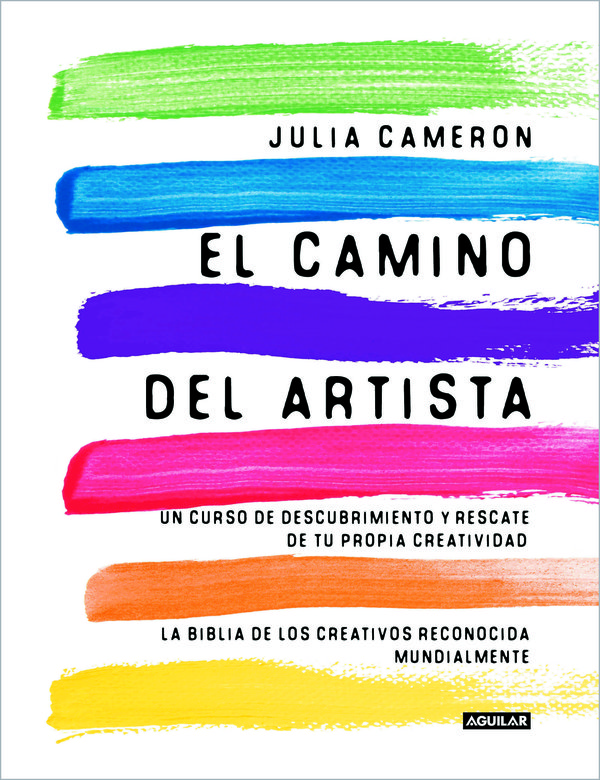
The Artist's Path
The book that changed the discourse on creativity. A 12-week course with two base practices — morning pages and artist appointment — and mandatory weekly exercises. It was born as Cameron's personal sobriety method in 1978 and took 14 years to become a book. More than 5 million copies sold in 40+ languages.
For whom: anyone who feels creatively blocked or wants to start with a solid foundation. If you are only going to read ONE book about creativity in your life, let it be this one.
Related posts: complete summary · Cameron biography · morning pages
Bird by Bird
Probably the best book on writing ever published. The title comes from a family anecdote: Anne's brother had to write a paper about birds and was paralyzed; his father told him "just take it bird by bird". Lamott writes with humor, brutal honesty, and tenderness about the real process of writing: the "shitty first drafts," the jealousy, the perfectionism, the envy.
For whom: anyone who wants to write — fiction, essays, memoirs, screenplays, blogs. Especially if you're afraid of starting or "not being good enough."
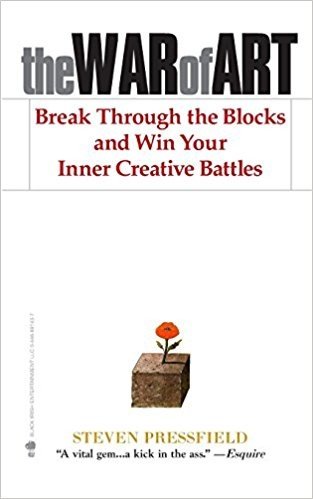
The War of Art
Short, forceful, without humor. Pressfield invents a word — Resistance (with a capital R) — to describe the inner force that prevents the creator from working. Resistance is procrastination, perfectionism, fear of success, fear of failure, excuses. The only antidote: show up to work every day like a professional, not like an amateur waiting for inspiration.
For whom: someone who ALREADY knows what he wants to do but can't do it. If you identify with "could have been" more than "I'm being," this book is written for you.
The Creative Act: A Way of Being
The music producer of Johnny Cash, Adele, Kanye West, the Beastie Boys and Slayer writes a philosophical book about the creative process. 78 "thoughts" or small chapters. More zen than method. Rubin doesn't tell you how to do it; It tells you how to be. Clear influences: Tao, Zen Buddhism, Cameron.
For whom: people who already create but want a deep philosophical framework. Especially powerful for musicians and people inclined to meditate.
Comparative analysis: Rick Rubin vs The Artist's Way
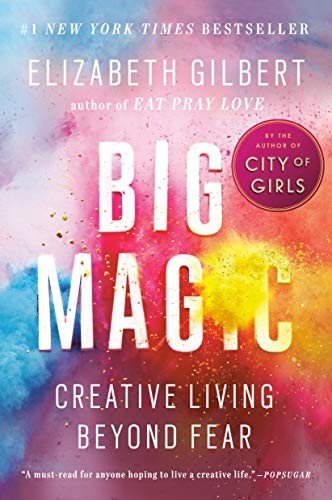
Big Magic: Creative Living Beyond Fear
After the success of Eat, Pray, Love, Gilbert wrote this manifesto about living creatively without being destroyed by fear. Four principles: courage, enchantment, permission, persistence. His thesis: ideas have a will of their own, they look for you, and if you don't receive them they go to someone else.
For whom: people who already produce but are afraid to publish, exhibit, share. Gilbert gives you permission; not homework.
Comparative analysis: Big Magic vs The Artist's Way
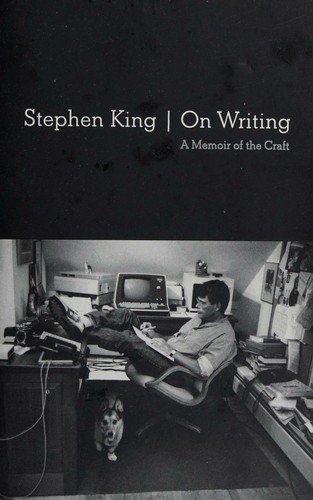
On Writing: A Memoir of the Craft
Half personal memory, half writing manual. King tells you how he writes (brutal routine, 2,000 words a day, no exceptions) and the technical principles he applies. "Adverbs are your enemies." "The road to hell is paved with adverbs." Practical, direct, anti-mythology of the writer.
For whom: writers who want technique, not philosophy. If you're allergic to the "Great Creator" or "ideas with a will," King is your book—pure craft.
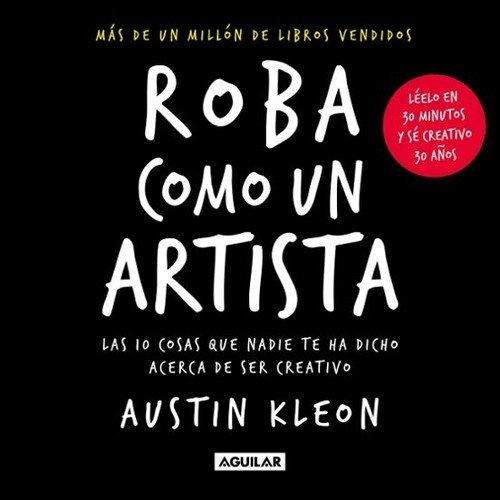
Steal Like an Artist
Ten principles for creators in small format manifest. "No one is born original." Kleon defends that all creation is a remix, and that the path to one's own style involves consciously copying the masters. Very careful visual design of the book itself.
For whom: visual artists, illustrators, designers. But also writers. The concept applies to any profession.
Letters to a young poet
Ten letters that Rilke wrote to a young aspiring poet between 1903 and 1908. The first letter contains the key question: "Would I write if I couldn't write?" If the answer is yes, that is your calling. Small, dense, beautiful. It is reread throughout life.
For whom: anyone who is serious about creating. 96 pages that fit in your pocket and are reread from time to time.
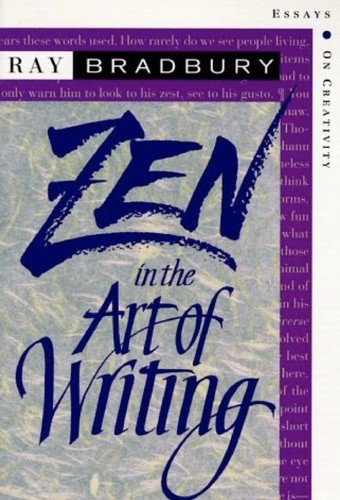
Zen in the Art of Writing
Essays by the author of Fahrenheit 451 on the craft of writing. The Bradbury philosophy: "write with joy." His routine was to write 1,000 words a day no matter what came out. His mantra: "write what you love, love what you write." Antidote to the writer's anguish.
For whom: writers who have lost the pleasure of writing. If the process has become torture, Bradbury reminds you why you started.
Art & Fear
Two artists write about the specific fears that paralyze the creator. The fear of not being enough, the fear of copying, the fear of being ignored, the fear of being misunderstood. Dense little book, sentence by sentence. Most famous quote: The difference between artists who produce and those who don't is persistence, not talent.
For whom: visual artists, but also anyone with crippling perfectionism. In many Fine Arts faculties it is mandatory reading.
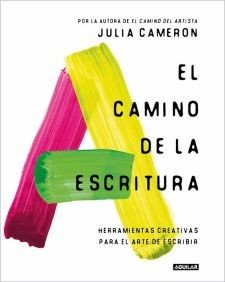
The Right to Write
Cameron applies the Artist's Way method to the specific craft of writing. 43 short chapters, each with an exercise. His main thesis: we are all writers; Writing is a basic human right, not a talent reserved for a few. More focused version of the method for female writers.
For whom: writers who have already read Cameron and want more specifically focused on the craft.
Posts: detailed analysis
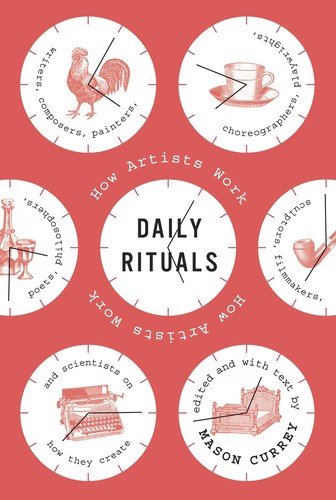
Daily Rituals: How Artists Work
Catalog of the daily routines of 161 creators: when they got up, what they had for breakfast, when they wrote, when they walked, when they drank. Kafka wrote at night in an attic. Beethoven counted exactly 60 coffee beans for his cup. Mozart got up at 6. Nabokov wrote standing on index cards. Anti-mythology of inspiration: everyone had a routine.
For whom: anyone looking for validation for their weird routine. It teaches you that even the greatest ones had their quirks.
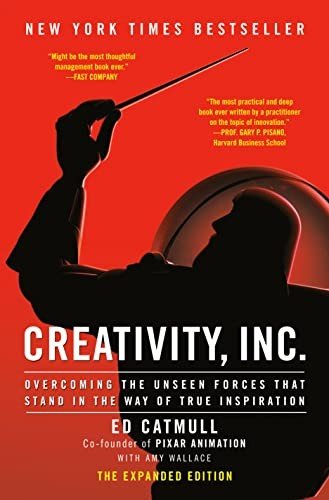
Creativity, Inc.
The Pixar co-founder writes about how he built a creative culture that sustained quality for 20+ years. How to manage a creative team. How to give brutal feedback without destroying. How to maintain risk when you are already successful. Mandatory reading in management schools.
For whom: anyone who leads creative teams. Also useful if you work in companies and wonder why your creativity dies when you get to work.
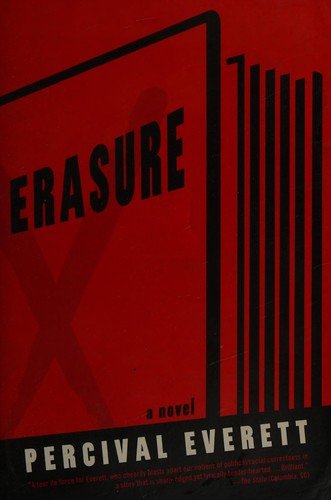
If You Want to Write
Cameron and company's grandfather. Brenda Ueland wrote this book in 1938 and her ideas anticipate everything to come: that we are all creative, that writing is a right, that blockage comes from judgment. Famous quote: "Everybody is talented, original and has something important to say." He directly influenced Cameron.
For whom: readers who want to understand the historical foundations of thinking about creativity. Pre-Cameron, pre-Gilbert, pre-Rubin.
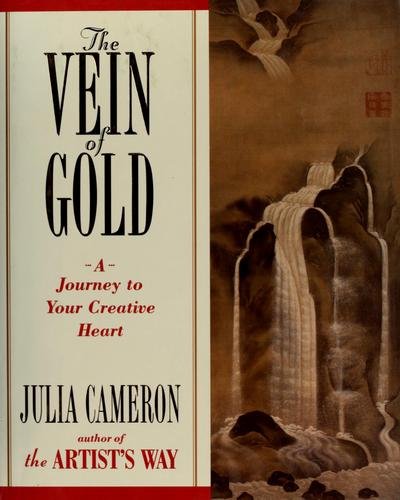
The Vein of Gold
Four years after The Artist's Way, Cameron published this much more ambitious sequel. Structure creative work in seven realms (memory, symbols, story, etc.) with deep exercises. It's for people who have already done Cameron and want to go further.
For whom: people who have already completed The Artist's Path and want to go deeper.
Posts: full analysis
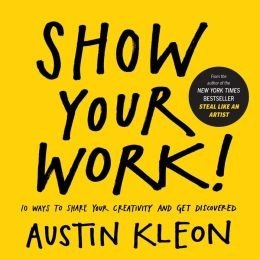
Show Your Work!
The sequel to Steal Like an Artist. If the first was about finding your voice, this one is about sharing it. Kleon argues that the path to creative success today involves documenting your process publicly: blog, networks, newsletters. "Forget about being an expert. Be a fan first."
For whom: creators who already produce but do not dare to publish. Especially useful if you are afraid of social networks.
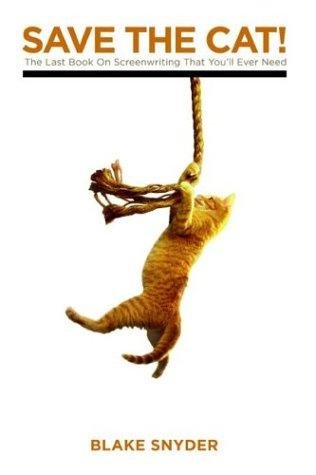
Save the Cat!
The most used script manual in Hollywood. Snyder structures any film into 15 exact "beats." The title comes from a technique: in the first 5 minutes your protagonist has to do something good (save the cat) so that the audience loves him. Applicable to novel, podcast, video, presentation.
For whom: screenwriters, novelists, podcasters, popularizers. Anyone who tells stories.
Finding Water
The third book in the Artist's Way trilogy. About persisting in creative practice when it is no longer new and everything becomes a job. More mature than the first book, less euphoric. Best read after several years doing the method.
For whom: people who have worked with Cameron for years and want advice for plateau moments.
Posts: detailed analysis
Wired to Create
What neuroscience and cognitive psychology know about how the creative mind works. 10 common habits among creators documented by research: imagination, daydreaming, loneliness, intuition, sensitivity, conversion of pain into art. Academic but accessible.
For whom: people who want to understand what happens in the brain when we create. If you like the scientific basis more than the inspirational one.
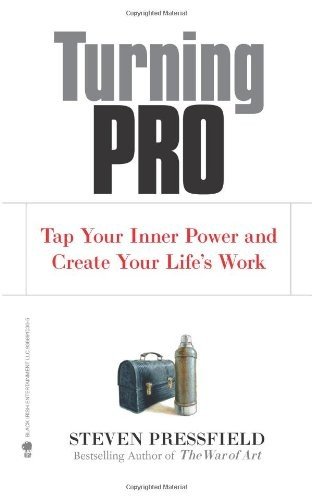
Turning Pro
The natural sequel to The War of Art. If the first was about identifying the Resistance, this one is about becoming a professional. "Amateur has a job; professional has a practice." How to make the psychological transition from amateur to pro. Short, direct.
For whom: creators who have already identified their Resistance and need to take the next step. Perfect pair with The War of Art.
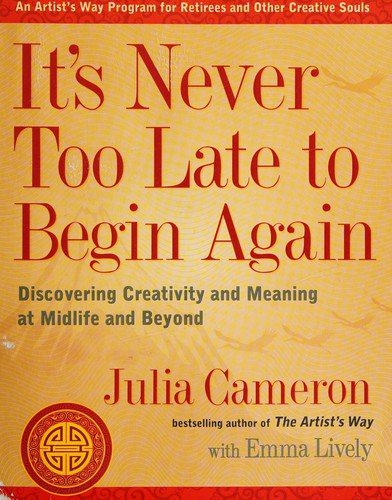
It's Never Too Late to Begin Again
The version of the Artist's Path for people in the second half of life. 12 weeks, same basic method, but exercises adapted to those who are 60+ years old: the balance between legacy and novelty, the body changing, grown children, retirement as a creative opportunity.
For whom: people over 55 who want to return to creativity after decades of work or family.
Posts: detailed analysis
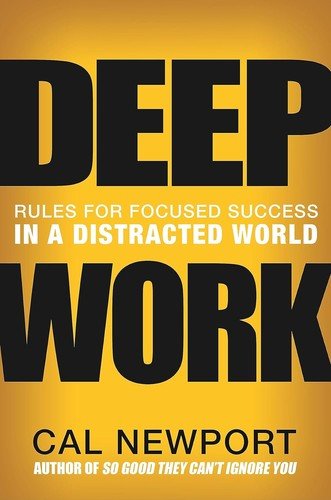
Deep Work
Deep creative work requires long blocks of uninterrupted attention. Newport, a computer science professor at Georgetown, argues that "deep work" is the most valuable skill of the 21st century and the rarest. How to build your life to protect it. Anti-social media, pro-4 hour blocks.
For whom: Anyone who feels like their best hours are evaporating into notifications. Useful for creators with office work.
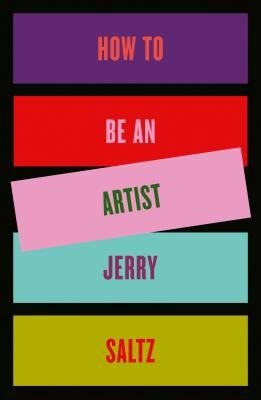
How to Be an Artist
New York Magazine's art critic — Pulitzer 2018 — writes 63 practical rules for being a visual artist today. Practical, anti-pretentious. It covers everything from how to handle your study to how to accept rejection. Combine philosophy with administrative advice.
For whom: visual artists who need concrete rules: how to organize time, how to apply to galleries, how to seal your work.
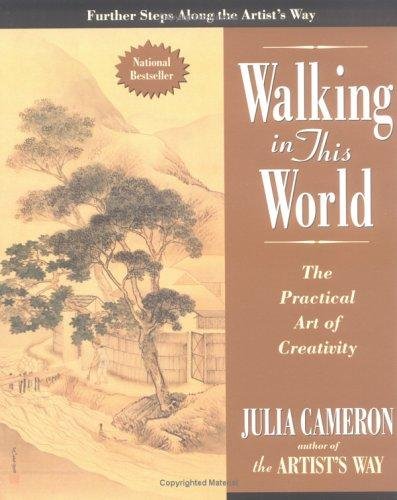
Walking in This World
The immediate sequel to The Artist's Way. Another 12 weeks with the method, but assuming you have practice. More focused on sustaining creativity in the long term: walking as a tool, the creative pilgrimage, the obstacles to success.
For whom: people who have completed The Artist's Path and want to continue with more structure.
Posts: detailed analysis
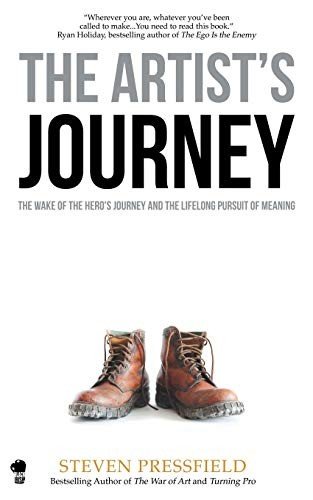
The Artist's Journey
Pressfield's latest on creativity. He argues that every creative life has two phases — the Heroic Journey (youth, building identity) and the Artist's Journey (maturity, putting the tool at the service of something greater). Concept inspired by Joseph Campbell.
For whom: creators transitioning to the second half of their career. Very useful if you feel like you've "arrived" and don't know what's coming next.
Where to start if you can only read 3?
After reading the 25, this is my recommendation for someone who is new to the subject:
- Start with #1 — The Artist's Path. It gives you the method that will become the basis for everything else.
- After #2 — Bird by Bird. It gives you a healthy emotional relationship with the job.
- Close with #4 — The Creative Act. It gives you the deep philosophical framework that sustains decades.
In that order. Don't change it. Cameron makes you do things. Lamott teaches you to love yourself by doing things. Rubin teaches you to let go of things. It is the optimal trilogy of creative development.
What if I can only buy one book from this list?
If your budget is really only one, buy The Artist's Path. You can find the rest in public libraries, on digital loan (eBiblio, BiblioBoard) or second-hand. But Cameron is the one you'll use repeatedly for years — the physique is worth having. The rest are better as a single read.
Take the course for free while you read them
12 weeks based on The Artist's Way. In Spanish. No payments. As you dive into the books on this list.
Start the course →